

Your AC runs all afternoon, the back bedroom never cools down, and your electric bill keeps climbing for no reason you can point to. A technician crawls into the attic and comes back with the diagnosis: your ductwork is shot. Now you have a much bigger number in your head than the tune-up you expected, and you have no idea whether it is fair.
In this guide, you will learn exactly what air duct replacement costs in Manor, TX, how it differs from a simple repair or cleaning, and why the brutal Central Texas attic heat is so hard on ducts in the first place. You will also see what actually drives the price, which City of Manor permits apply, and how much a failing duct system is quietly costing you every month. By the end, you will know whether replacement is really the answer and what a fair quote looks like.
Key Takeaways
- Whole-house air duct replacement in Manor, TX typically runs $3,000 to $8,000.
- Installed pricing is often $16 to $25 per linear foot locally.
- Central Texas attic heat breaks down flex duct faster than most climates.
- A full duct replacement in Manor usually requires a City permit.
- Leaky ducts can waste around 20 percent of your conditioned air.
What Air Duct Replacement Costs in Manor, TX
A whole-house air duct replacement in Manor, TX typically costs $3,000 to $8,000, though the range is wide because it depends heavily on your home’s size and layout. Installed pricing in the area commonly runs about $16 to $25 per linear foot, which covers removing the old ducts, materials, and installing the new run.
Scale changes everything. Full replacement in a roughly 2,000-square-foot home often lands between $3,200 and $14,400 depending on material and access, and a 2,500-square-foot home with 200 to 300 linear feet of ductwork can run $4,000 to $18,000 on the high end. For partial jobs, replacing a few failing runs rather than the whole system, the Austin-area average for a duct replacement project is closer to $1,485, with most homeowners spending between $658 and $2,496.
If you are replacing your entire HVAC system and the ductwork together, that is a different budget entirely, often $12,000 to $25,000 depending on system type and home size.
The honest takeaway: duct replacement is not one price. A single failed section is a modest repair. A full attic replacement in a large two-story is a major project. Knowing which one you actually need is the first real step, and it is where a lot of homeowners get oversold.
Repair, Reseal, or Replace? Knowing Which You Actually Need
Before you sign off on a full replacement, understand that it is the most expensive of three options, and it is not always the right one. A good contractor rules out the cheaper fixes first.
Repair makes sense when the problem is localized: a disconnected duct at a joint, a crushed section, or a single damaged run. Reconnecting or replacing one segment costs a fraction of a whole-house job.
Sealing is the middle option. If your ducts are intact but leaking at the seams and connections, sealing them (with mastic or specialized tape, not just cleaning) can restore a large share of lost airflow for far less than replacement. This is often the highest-value fix a Manor home can get.
Replacement is the right call when the ducts are widely deteriorated: flex duct that has gone brittle and cracked across the system, insulation that has broken down, mold contamination inside the ducts, or a system so poorly designed that no amount of patching fixes the airflow. When the damage is everywhere, replacing beats chasing leaks one at a time.
The pattern often is a homeowner quoted for full replacement who actually needed targeted repair and sealing. A contractor who inspects the whole system and shows you the actual condition, rather than assuming the worst, is worth more than the lowest bid. That inspection matters even more in Manor, because of what the local climate does to ducts.
Why Manor Ductwork Fails Faster Than You Would Expect
This is where local reality separates a Manor home from a national cost chart. Several things here are unusually hard on ductwork.
Start with the attic. Most Central Texas homes run their ducts through the attic, and a Manor attic in summer can reach 130 to 150 degrees while the AC fights outdoor highs near 94. That relentless heat cycling bakes flexible duct over time. The plastic inner liner grows brittle, the insulation degrades, and joints pull loose. Flex duct is affordable and common, but in a hot attic it simply does not last as long as it would in a mild climate.
Then there is the growth story. Manor has been one of the fastest-growing cities in the region, adding master-planned subdivisions rapidly since the early 2010s. Fast-built homes sometimes get rushed, builder-grade duct installations: flex runs that sag, kink, or get crushed against framing, which chokes airflow from day one. If your Manor home is a newer build and a back room never cools right, poor original duct installation is a common culprit.
Pests add a third factor. Rodents and insects that get into an attic can chew or nest in ductwork, and once flex duct is torn open, it is usually a replacement rather than a patch.
Finally, age. Homes from Manor’s earlier building waves are now old enough that their original ducts, especially flex, are reaching the end of their service life. The result is that duct replacement comes up more often here, and sooner, than a generic guide would suggest. That local wear also feeds directly into what your quote will cost.
What Drives Your Duct Replacement Price Up or Down
Two Manor homes can get very different quotes for duct replacement. These factors explain the gap.
Home size and duct length. More square footage means more linear feet of duct, and duct is priced by the foot. A rough estimate is about one linear foot of ductwork per 8 to 10 square feet of conditioned space, with 20 to 30 percent added for multi-story homes.
Material choice. Flexible duct runs roughly $6 to $12 per linear foot and is cheaper to install. Sheet metal runs higher, often $10 to $20 per foot or more, but lasts longer and holds up better in Texas heat. Choosing sheet metal for main trunks and flex for branches is a common balance.
Insulation. Properly insulated ducts add about $2 to $4 per linear foot, but in a scorching Manor attic that insulation is not optional. It is what keeps your cooled air cold on its way to the room.
Access. This is a big local swing. Ductwork in an attic or crawlspace costs about 20 to 40 percent more than easy-access work, and Central Texas attic runs are the norm. Tight, hot attic access adds labor time to every foot.
Layout and redesign. If your system was poorly designed and needs rerouting or resizing for proper airflow, that engineering adds cost but fixes the root problem rather than reproducing it.
When a quote runs high, one of these usually explains it. When one comes in cheap, ask whether it includes proper insulation, sealed connections, and the permit, because skipping those is how a low bid becomes an expensive redo.
The Hidden Cost of Not Replacing Failing Ducts
Putting off duct replacement feels like saving money. In a Manor summer, it often is not, because failing ducts leak your most expensive resource: conditioned air.
According to ENERGY STAR, a typical home loses around 20 percent of the air moving through its duct system to leaks, holes, and poorly connected ducts. In a climate where the AC runs for a long, hot season, that lost air is money leaving through your attic every single cycle. You pay to cool air that never reaches your rooms.
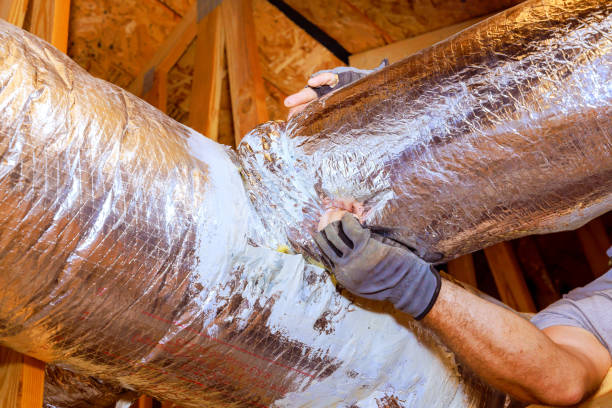
The comfort cost stacks on top. Leaky or collapsed ducts create the classic Manor complaint: one room stays muggy and warm while the thermostat insists everything is fine. The system runs longer trying to compensate, which drives both your bill and the wear on your equipment.
There is a health angle too. Ducts that are torn, moldy, or pulling unconditioned attic air can bring dust, humidity, and allergens into your living space, which matters during Central Texas cedar and oak pollen seasons.
What that actually means is simple: a duct system that is genuinely failing keeps charging you every month you wait. Replacement is a real expense, but so is the slow leak of running a broken system through Texas summers. Weigh the quote against what the failing ducts are already costing you.
Manor Permits and Licensing for Duct Replacement
This is the part national cost guides skip, and in Manor it matters. A full ductwork replacement is major HVAC work, and major HVAC work is permitted. Unlike a tiny like-for-like repair, tearing out and replacing your duct system typically requires a mechanical permit.
Because Manor is an incorporated city, that permit runs through the City of Manor’s building permit process for homes inside the city limits, not through Travis County. The city moved its permit applications to an online system, so your contractor submits and pulls the permit as part of the job. If your property sits in an unincorporated area outside city limits, the county handles permitting instead, which is worth confirming for your exact address.
Licensing runs alongside the permit. In Texas, HVAC work must be performed by a contractor holding an Air Conditioning and Refrigeration license through the Texas Department of Licensing and Regulation. A legitimate duct replacement should be done by a TDLR-licensed contractor who pulls the City of Manor permit so the finished work gets inspected against code.
Why does this protect you? Permitted, inspected duct work is verified for proper sizing, sealing, and safety, and it does not come back to haunt you when you sell the home. Unpermitted work can force costly rework later and can compromise your HVAC warranty. Hiring a licensed local team for air duct services in Manor, TX means the permit, the code compliance, and the airflow design are all handled correctly in one job.
Two quick questions screen out the cut-rate operators: are you TDLR-licensed, and will you pull the City of Manor permit for this replacement?
Signs You Need Duct Replacement, Not Just Cleaning
Cleaning and replacement solve different problems, and paying for the wrong one wastes money. These signs point to replacement rather than a cleaning.
- Uneven temperatures room to room, where one space never reaches the set temperature no matter what the thermostat says. That usually means leaking, collapsed, or badly designed ducts, not dirty ones.
- Visible damage in the attic: crushed runs, disconnected joints, torn flex duct, or sections sagging and holding water. Cleaning cannot fix a duct that is physically broken.
- Energy bills that keep climbing without a change in habits, a classic symptom of ducts leaking conditioned air into the attic.
- Persistent dust in the home right after cleaning, which can mean unconditioned attic air and debris are being pulled in through gaps in the ductwork.
- Mold inside the ducts or a musty smell that returns after cleaning. When mold has taken hold in porous flex duct, replacement is often safer than repeated cleaning.
- Ductwork that is 15 or more years old, especially original flex duct in a hot attic, which is simply near the end of its life.
If you see one or two of these, get an inspection before summer peaks, when attic work is miserable and HVAC crews across Travis County are booked. Catching it early keeps the project on your schedule and your budget.
Planning Your Air Duct Replacement in Manor, TX
Air duct replacement cost in Manor, TX spans a wide range for a reason: a single failed run is a modest repair, while a full attic replacement in a large home is a major project, typically $3,000 to $8,000 and sometimes more. The smartest money is spent on an honest diagnosis first. Many homes need targeted repair and sealing, not a full tear-out, and Central Texas attic heat, rushed builder installs, and aging flex duct are exactly why replacement, when it is genuinely needed, tends to come up here more than the national average would predict.
The move that protects your wallet is hiring a licensed local team that inspects the whole system, shows you the real condition of your ducts, quotes repair and replacement side by side, and pulls the City of Manor permit as part of the work. That is how you fix the airflow, cut the energy waste, and avoid paying for more than your home actually needs.
ATX Heating & Air Conditioning LLC replaces, reseals, and redesigns ductwork across Manor and northeast Travis County, inspects before it recommends, and handles the permitting so the finished system is inspected and warranty-safe. To get an itemized assessment for your home, contact ATX Heating & Air Conditioning LLC or call 737-406-8083 and describe what your system and your rooms are doing.
FAQ
How much does air duct replacement cost in Manor, TX?
A whole-house air duct replacement in Manor typically costs $3,000 to $8,000, with installed pricing commonly around $16 to $25 per linear foot. Larger or two-story homes cost more, while partial replacements of a few runs cost far less. The Austin-area average for a duct replacement project is near $1,485 for smaller jobs.
Is duct replacement different from duct cleaning?
Yes. Cleaning removes dust and debris from intact ducts, while replacement swaps out ducts that are physically damaged, leaking, moldy, or worn out. If your ducts are broken or badly deteriorated, cleaning will not fix the airflow or energy loss. An inspection determines which one your system actually needs.
Do I need a permit to replace ductwork in Manor, TX?
A full ductwork replacement is major HVAC work and typically requires a mechanical permit. For homes inside the city, that permit goes through the City of Manor’s building permit process, and the work should be done by a contractor licensed through the Texas Department of Licensing and Regulation. A minor like-for-like repair generally does not require a permit.
Should I replace flex duct with sheet metal in Central Texas?
It depends on your budget and layout. Sheet metal costs more up front but holds up better in a hot Manor attic and lasts longer, while flex duct is cheaper and common for branch runs. A frequent compromise is sheet metal for main trunk lines and well-supported, insulated flex duct for the branches.
How do I know if my ducts are leaking?
Common signs are rooms that never reach the set temperature, energy bills climbing without a change in habits, excess dust returning quickly after cleaning, and visible gaps or disconnected joints in attic ductwork. ENERGY STAR notes a typical home loses around 20 percent of its conditioned air to duct leaks, so sealing or replacement often pays back in lower bills.

