

Your AC is running, but the air limping out of the vents is barely cool, and there is a new rattle coming from the closet where the indoor unit lives. A technician says the words no Manor homeowner wants to hear in July: the air handler is done. Now you are staring down a bill you never planned for and wondering whether the quote you just got is fair or padded.
In this guide, you will learn exactly what an air handler replacement costs in Manor, TX, what makes one quote higher than another, and whether you should replace just the air handler or the whole system. You will also see why these units wear out faster in Central Texas heat, which City of Manor permits and licenses are non-negotiable, and how to read a quote so you know you are paying for real work. By the end, you will walk into that decision informed instead of anxious.
Key Takeaways
- Air handler replacement in Manor, TX typically costs $2,000 to $4,000 installed.
- Labor makes up roughly half the total, and access drives it.
- Manor’s long, humid cooling season wears blower motors and coils faster.
- A full air handler replacement in Manor requires a City permit.
- Replacing a mismatched air handler alone can hurt efficiency and warranty.
What an Air Handler Replacement Costs in Manor, TX
An air handler replacement in Manor, TX generally runs $2,000 to $4,000 installed for a typical home. Nationally, the average lands around $2,800, with most homeowners paying between $1,800 and $3,500 for the unit plus installation.
That total splits into two parts. The unit itself costs roughly $700 to $1,600, and a common 3-ton air handler sits around $900 to $1,500. Labor accounts for the rest, usually $800 to $1,800, which is close to half the total bill. In tight or hard-to-access installations, labor climbs as a share of the job, since the crew spends more time getting the old unit out and the new one in.
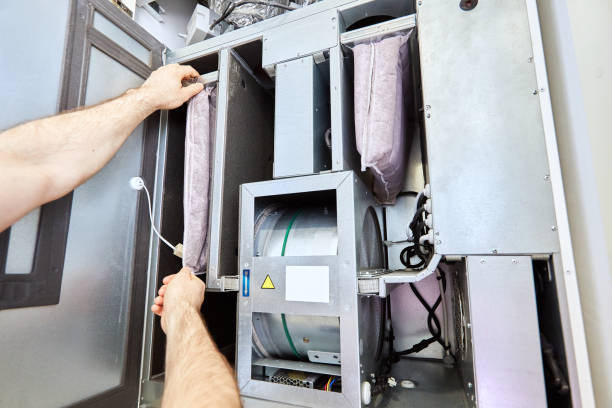
Where does Manor fall in that range? Higher-cost metros run about 10 to 30 percent above the Midwest baseline, and the Austin area is a competitive, higher-cost labor market. That pushes a typical Manor replacement toward the middle and upper part of the national range rather than the bottom. A basic like-for-like swap in an easy-access spot costs less. A premium variable-speed unit in a cramped attic costs more.
The unit on the wall is only part of the story. What you are really paying for is the labor, the correct sizing, and the permit and code work that make the install legal and safe, which is where the price differences start to make sense.
What an Air Handler Actually Does, and Why It Fails Faster in Central Texas
Before you judge a quote, it helps to know what you are replacing. The air handler is the indoor half of your system. It houses the blower motor that pushes conditioned air through your ducts and the evaporator coil that pulls heat and humidity out of your home. When it fails, the whole system stops delivering comfortable air, even if the outdoor condenser is fine.
Here is why Manor is hard on these units. The cooling season here is long and punishing, with summer highs near 94 degrees, so your air handler’s blower runs for a huge chunk of the year. More runtime means more wear on the motor and bearings. Central Texas humidity adds a second problem: the evaporator coil is constantly pulling moisture out of the air, and that moisture, combined with condensate, creates conditions where coils corrode and drain lines clog over years of hard use.
There is also a timing pattern specific to Manor. The city has been one of the fastest-growing in the region, adding master-planned subdivisions rapidly since the early 2010s. A lot of those homes were built 10 to 15 years ago, which is right around the point where original air handlers and their components start reaching the end of their service life. If you bought a newer Manor build a decade ago, your first major HVAC replacement may be arriving on schedule.
Understanding the job explains the price. A replacement is not just bolting in a box. It is matching a blower and coil to your exact system, and getting it right is where the cost factors come in.
What Drives Your Air Handler Replacement Price Up or Down
Two Manor homes can get quotes hundreds of dollars apart for what sounds like the same job. These are the factors doing that.
Size and capacity. Air handlers are sized in tons to match your cooling load. A larger home needs a bigger unit, and bigger units cost more. Correct sizing matters more than going big, since an oversized unit short-cycles and struggles with humidity in the Texas climate.
Motor type. This is a major swing. A basic single-speed (PSC) blower is the cheapest. A variable-speed or ECM motor costs more up front but runs quieter, uses less electricity, and manages humidity far better. In a long Manor cooling season, that efficiency shows up on your electric bill month after month.
Coil type and match. The evaporator coil has to match your outdoor condenser and refrigerant type. A mismatched coil hurts efficiency and can void your warranty, so a proper replacement includes confirming the coil pairs correctly with the rest of your system.
Access and location. An air handler in a roomy garage or utility closet is quick to swap. One wedged into a low attic in August, reached by a pull-down ladder, takes longer and costs more in labor. Attic-mounted units are common in Central Texas and often add to the bill.
Permit and code work. A legitimate replacement includes pulling the required permit and bringing the install up to current code, which takes time and adds fees but protects you. More on that below.
When a quote comes in high, one of these usually explains it. When one comes in suspiciously low, ask whether the permit, a matched coil, and proper sizing are actually included.
Should You Replace Just the Air Handler or the Whole System?
This is the question that decides your real budget, and the honest answer depends on the age and match of your outdoor unit.
If your outdoor condenser is newer, in good shape, and compatible, replacing the air handler alone is reasonable. You fix the failed half and keep the working half. That is the lower-cost path, and for a system only a few years old, it usually makes sense.
The trade-off appears when your condenser is also aging. Modern efficiency standards changed in 2023, and systems are now rated in SEER2. Pairing a new air handler with an old, low-efficiency condenser can create a mismatch that runs inefficiently and, in some cases, is not properly rated as a system. According to ENERGY STAR, matched high-efficiency components deliver the energy savings the equipment is designed for, and a mismatch leaves that savings on the table.
There is also a warranty angle. Manufacturers often require matched components installed by a licensed contractor to honor the full warranty. Bolting a new air handler onto an incompatible old coil or condenser can put that coverage at risk.
The practical rule: if your condenser is under about eight years old and compatible, replacing the air handler alone is usually the smart spend. If your whole system is aging, running a failing compressor, or already costing you in repairs and high bills, replacing both together often costs less over the life of the equipment than doing it in two separate visits. A good contractor will lay out both numbers instead of pushing you toward the bigger one by default.
Manor Permits and Licensing You Cannot Skip
This is the part national cost guides ignore, and in Manor it is not optional. A full air handler replacement requires a mechanical permit. Unlike swapping a small part such as a capacitor or thermostat, replacing the entire air handler is major HVAC work, and major HVAC work is permitted.
Because Manor is an incorporated city, the permit runs through the City of Manor’s building permit process, not Travis County, for homes inside the city limits. The city has moved its building permit applications to an online system, so your contractor submits and pulls the permit through the city. If your property sits in an unincorporated pocket outside city limits, the county handles it instead, which is worth confirming for your specific address.
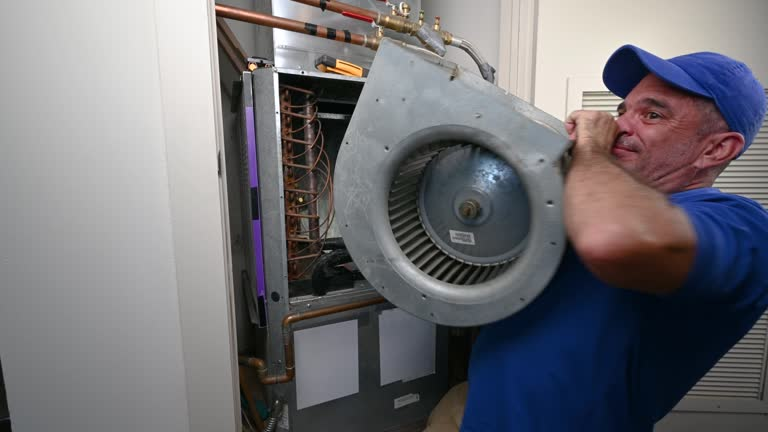
Licensing sits alongside the permit. In Texas, anyone replacing HVAC equipment must hold an Air Conditioning and Refrigeration license through the Texas Department of Licensing and Regulation. A legitimate air handler replacement should be performed by a TDLR-licensed contractor who then pulls the proper City of Manor permit. This is your protection: the permit means the work gets inspected against code, and the license means the person doing it is qualified.
Why does this matter to your wallet and your home? An unpermitted HVAC replacement can surface later when you sell, forcing you to redo or retroactively permit the work. It can also void equipment warranties and leave a dangerous or inefficient install undetected. Hiring a licensed local team for air handler services in Manor, TX folds the permit, the code compliance, and the warranty protection into one correctly handled job.
Two questions filter out the corner-cutters fast: are you TDLR-licensed, and will you pull the City of Manor permit for this replacement?
Signs Your Air Handler Is Failing Before Manor’s Next Heat Wave
Catching a failing air handler early lets you plan the replacement instead of paying emergency rates during a July breakdown. Watch for these.
- Weak airflow from the vents, even with a clean filter, often points to a struggling or failing blower motor. The system runs, but the air barely moves.
- Strange noises from the indoor unit, rattling, grinding, banging, or a high-pitched squeal, usually mean worn bearings or a failing motor. New sounds are rarely nothing.
- Rising energy bills without a change in your habits. An aging blower and corroding coil make the whole system work harder to deliver less, and the Manor cooling season magnifies that cost.
- Water around the indoor unit or a musty smell. Coil corrosion and clogged condensate drains are common in the humid Central Texas climate and signal the unit is deteriorating.
- The system is 12 to 15 years old and needing frequent repairs. At that age, repair costs start stacking up, and pouring money into an old air handler often costs more than replacing it.
If one or two of these sound familiar, get an inspection now, in spring or early summer, rather than during a heat wave when every HVAC crew in Travis County is slammed and prices climb.
Planning Your Air Handler Replacement in Manor, TX
An air handler replacement cost in Manor, TX comes down to a clear picture: roughly $2,000 to $4,000 installed, with labor making up about half, the motor type and access driving the swing, and a required City permit and TDLR license built into any legitimate job. The homeowners who overpay are usually the ones who skipped the second quote or hired the cheapest unpermitted truck, only to pay again later. The ones who get real value match the new unit correctly, decide honestly between replacing one half or the whole system, and confirm the permit is pulled.
The smartest move is to get an itemized quote from a licensed local team that sizes the unit to your home, checks whether your condenser justifies a full system replacement, and handles the City of Manor permit as part of the price. That is how you avoid both the surprise breakdown and the surprise on the invoice.
ATX Heating & Air Conditioning LLC replaces and installs air handlers across Manor and northeast Travis County, sizes and matches the equipment to your system, and pulls the proper permits so the work is inspected and warranty-safe. To get an itemized quote for your home, contact ATX Heating & Air Conditioning LLC or call 737-406-8083 and describe what your system is doing.
FAQ
How much does it cost to replace an air handler in Manor, TX?
A typical air handler replacement in Manor runs $2,000 to $4,000 installed, depending on the unit size, motor type, and how accessible your indoor unit is. The unit itself is roughly $700 to $1,600, and labor adds about $800 to $1,800, which is close to half the total cost.
Do I need a permit to replace an air handler in Manor, TX?
Yes. A full air handler replacement is major HVAC work and requires a mechanical permit. For homes inside the city, that permit goes through the City of Manor’s building permit process, and the work should be done by a contractor licensed through the Texas Department of Licensing and Regulation. A like-for-like small part such as a capacitor generally does not require a permit.
Should I replace just the air handler or the whole system?
If your outdoor condenser is newer and compatible, replacing the air handler alone is usually the smart spend. If your condenser is also aging or failing, replacing both together often costs less over time and avoids an efficiency mismatch. A licensed contractor should quote both options so you can compare.
How long does an air handler last in Central Texas?
Most air handlers last around 12 to 15 years, but Manor’s long, humid cooling season can shorten that. Heavy summer runtime wears the blower motor, and humidity contributes to coil corrosion and drain issues. Many homes built during Manor’s growth boom are now reaching replacement age.
What are the signs my air handler needs replacing?
Weak airflow with a clean filter, new rattling or grinding noises from the indoor unit, rising energy bills, water or a musty smell near the unit, and frequent repairs on a system over 12 years old all point to a failing air handler. Getting it inspected before summer lets you plan the replacement on your terms.

