
Maybe your furnace just quit on you, or maybe a technician recently told you it is on its way out. Either way, you are probably staring down a decision you did not expect to make this year, and you want to know what a fair price actually looks like before you commit to anything.
In this guide, we will break down exactly what drives furnace replacement cost, from fuel type and efficiency to labor, venting, and permits, and explain why a short Central Texas heating season changes the math on paying extra for a higher AFUE unit.
Key takeaways:
- Fuel type, whether gas, electric, or propane, changes both your install price and your long term operating cost, not just one or the other.
- ENERGY STAR sets a lower AFUE bar for Texas at 95 percent than it does for colder states at 97 percent.
- In Central Texas, furnace replacement often turns into a paired system conversation since your furnace typically shares an air handler with your AC.
- Permits generally apply to furnace replacement, even a straightforward swap, though the process and fee vary by project.
- A higher AFUE furnace costs more upfront, and a short heating season changes how quickly that extra cost actually pays for itself.
What Drives Your Furnace Replacement Cost
Before any dollar figures come into play, it helps to know the handful of variables that actually move your number. Fuel type sits at the top of the list, followed by AFUE efficiency tier, your home’s size and heating load, labor, venting changes, and permits.
Think of your quote less as one lump total and more as a stack of separate line items. Understanding each one makes it much easier to tell whether a quote is reasonable or whether something in it deserves a second look.
Gas, Electric or Propane: How Fuel Type Changes Your Cost
Gas furnaces are common across Central Texas and tend to cost less to run where natural gas service already reaches your home. Electric furnaces usually cost less to install upfront but more to operate per unit of heat produced. Propane comes into play where no gas line is available nearby.
None of these options is automatically the right answer, since the best fuel type for your situation depends on what is already running to your home and how much heating you actually need.
Why Fuel Type Matters More in a Mild Central Texas Winter
Here is an angle most national guides miss entirely. In a region with a long, cold winter, the ongoing operating cost gap between fuel types has plenty of time to offset any difference in upfront price.
Our winters are short by comparison, which means that gap has far less time to work in your favor. That is a real factor worth weighing in your gas versus electric decision here, not just a generic tradeoff copied from a colder climate.
Efficiency Ratings (AFUE) and What They Cost
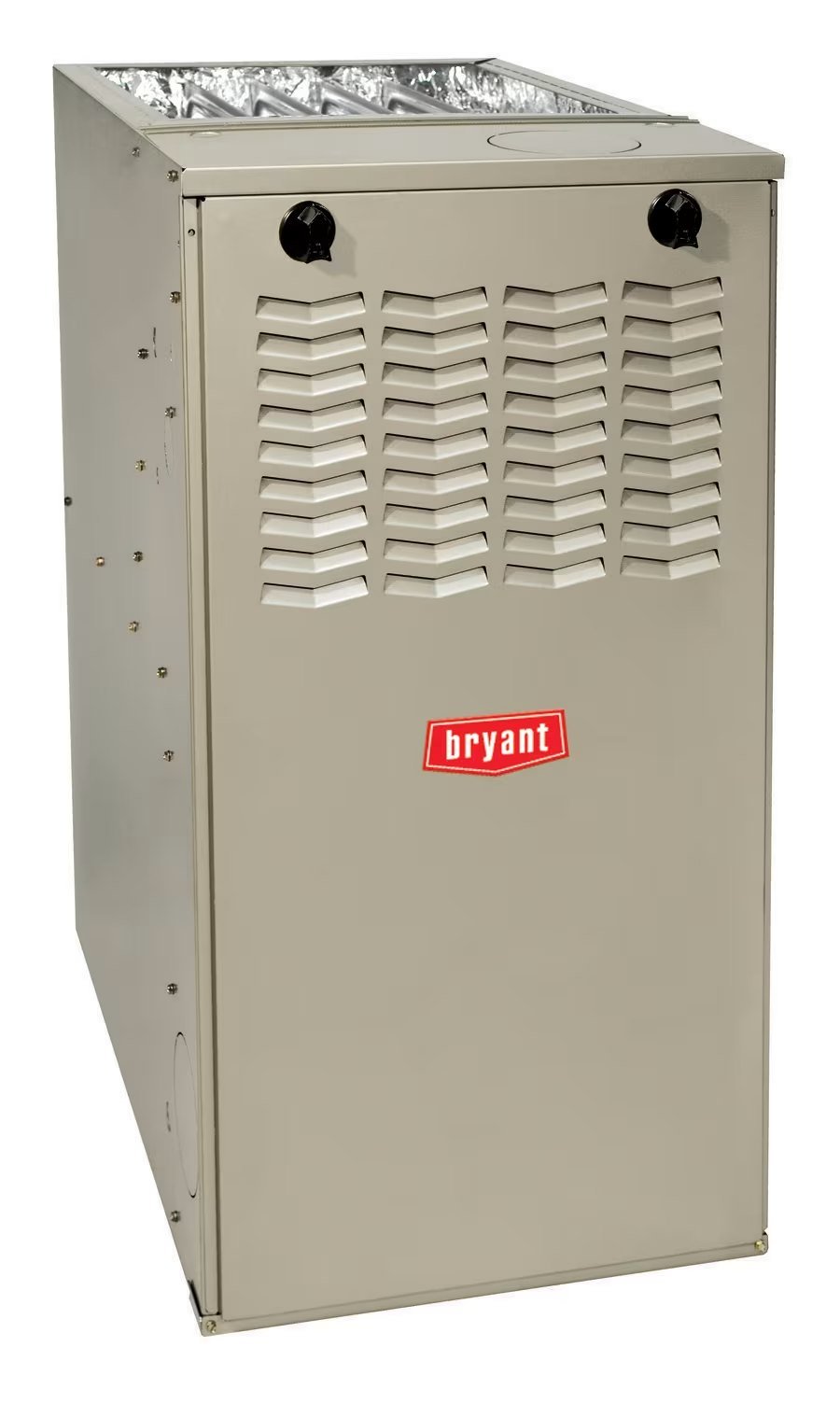
AFUE stands for Annual Fuel Utilization Efficiency, and it simply measures what percentage of the fuel your furnace burns actually turns into usable heat for your home. Generally speaking, a higher AFUE rating means a higher equipment price.
ENERGY STAR AFUE Requirements for Texas (South Region)
ENERGY STAR sets the high efficiency bar at 95 percent AFUE or higher here in the South region, which covers Texas, compared to 97 percent in northern states. That difference exists because colder climates get more value out of squeezing every bit of efficiency from their heating system, since it runs so much more often.
Is a Higher AFUE Furnace Worth It With a Short Heating Season?
There is no universal yes or no answer here, but there is a useful way to think about it. More heating days and higher gas prices tend to favor paying extra for a higher AFUE unit, since you have more opportunities to recoup that cost through lower bills.
A shorter season and lighter usage narrow that advantage considerably. Your actual household usage and your local utility rates matter more here than any generic rule of thumb, so it is worth running the numbers for your specific home rather than assuming one tier is automatically the smart choice.
Labor, Ductwork and Venting Costs
Labor is its own separate line item from the equipment itself, and it is worth asking any contractor to break it out clearly. Moving from a standard efficiency furnace to a high efficiency model can also change the venting material your system needs, since the exhaust behaves differently at higher efficiencies.
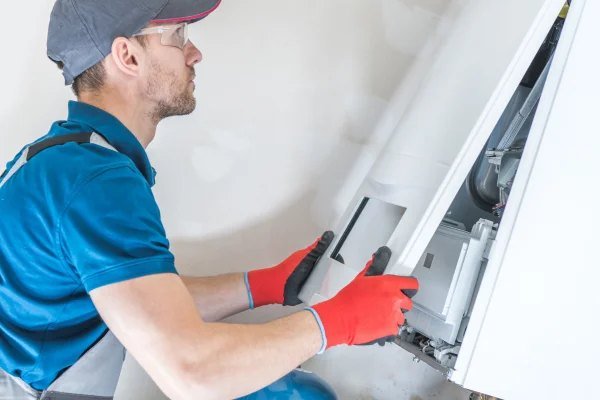
If your existing ductwork needs extending or modifying to work with the new unit, that adds to the total as well. Ask for a written quote that separates these pieces so you are not left guessing which part of the price covers what.
Furnace Replacement Often Means a Paired System in Central Texas
This is a detail that genuinely surprises a lot of homeowners. Many Central Texas homes run their furnace and air conditioner off a shared air handler or evaporator coil. That means a furnace swap can surface compatibility questions with the AC side of your system that you were not expecting to think about.
If your furnace and AC share equipment, our team can walk you through exactly what that means for your project, whether that stays a furnace only job or becomes a paired system conversation.
Permits and Code Requirements in Manor and Travis County
Furnace replacement, even a straightforward same for same swap, generally requires a mechanical permit. Fees and review timelines vary depending on your specific jurisdiction and project scope, so we recommend confirming the current requirement directly with your installer or the local permitting office rather than assuming either way.
Repair or Replace? Signs Your Furnace Needs Replacing
A few practical signs can help you figure out where you stand. Consider the furnace’s age, how often it has needed repairs lately, whether your home heats unevenly, whether your bills have crept up without explanation, and whether you notice any visible rust or cracking on the unit itself.
One important caution here. If you ever suspect a cracked heat exchanger or smell gas near your furnace, that is a safety issue, not a judgment call you should make yourself. Never attempt to inspect gas lines, burners, or a heat exchanger on your own. Call a licensed technician right away.
How Long Does a New Furnace Last?
Most furnaces last somewhere around 15 to 25 years with regular maintenance, though the real number for your system depends heavily on maintenance habits, fuel type, and how much your climate actually runs it.
Central Texas’s shorter heating season tends to mean fewer total operating hours each year compared to colder parts of the country, which can work in your favor over the system’s lifespan. Staying current on furnace maintenance is one of the simplest ways to help your new system reach the higher end of that range.
Is There Still a Tax Credit for a New Furnace in 2026?
Federal tax credit rules for home heating equipment have changed recently, and some older guidance circulating online no longer reflects the current rules. Rather than guessing, confirm current eligibility directly with a tax professional or a current federal source before assuming a credit applies to your specific purchase.
Questions to Ask Before You Replace Your Furnace
Before you sign off on a quote, bring a short checklist with you. Ask the following:
- Whether the number you are looking at is equipment only or fully installed
- What AFUE rating is being quoted, and whether it meets the 95 percent Texas threshold if efficiency matters to you
- Whether the project includes any venting or ductwork changes
- Whether a permit is already included in the quoted price
Get a Clear, Itemized Quote
The real cost of a new furnace comes down to fuel type, AFUE tier, and labor, venting, and permit scope, not one blended total. Here in Central Texas, remember that your furnace replacement may turn into a paired system conversation with your AC. ATX Heating & Air Conditioning can put together a written, itemized quote so you see exactly what is driving your number. Call us at 737 221 4420 to get started.
Frequently Asked Questions
How much does it cost to replace a furnace in Manor, TX?
Cost depends mainly on fuel type, AFUE efficiency rating, home size, and whether ductwork or venting needs updating. Rather than relying on one number, ask any contractor for an itemized quote that separates equipment, labor, venting, and permit costs so you can compare it fairly.
Is it worth replacing an older furnace, or should I repair it?
It depends on the furnace’s age, repair history, and the specific problem at hand. A cracked heat exchanger or a gas related issue should always go to a licensed technician rather than something you try to judge yourself, since those involve real safety risk.
Does a furnace replacement require a permit in Manor?
Furnace replacement, including a same for same swap, generally requires a mechanical permit, though the exact process and fee can vary by jurisdiction. Ask your installer to confirm Manor’s current requirement rather than assuming your project is permit free.
Is there a tax credit for a new energy efficient furnace in 2026?
Federal credit rules for qualifying furnaces have recently changed, so older guidance may no longer apply. Confirm current eligibility with a tax professional or a current federal source before assuming a credit applies to your purchase.
How long does a new furnace last?
Most furnaces last roughly 15 to 25 years with regular maintenance, though fuel type, usage, and climate all affect the real number for your home. Central Texas’s shorter heating season tends to reduce total operating hours compared to colder climates.

