

You keep meaning to book that AC tune up. Then another Texas summer rolls in, the system is still blowing cold, and you figure it can wait one more year. The trouble is that an air conditioner in Texas is not working the same hours as one in Ohio.
Local systems run eight to ten months a year, which means yours racks up the wear of two seasons in the time a northern unit sees one. Skipping service here is a real gamble with your comfort and your wallet.
So, how often should you actually service your AC in Texas, and is a maintenance plan worth the money? Keep reading for a straight answer.
Key takeaways:
- In Texas, you should service your AC at least once a year, and ideally twice given the long cooling season.
- Texas air conditioners run eight to ten months a year, so they wear out faster than systems up north.
- Skipping maintenance can cut a 15 to 20 year system lifespan down to 10 to 12 years.
- A spring tune up before summer catches small problems before they become hot weather breakdowns.
- Maintenance plans pay off through priority service, repair discounts, and fewer surprise failures.
How Often Should You Service Your AC in Texas?
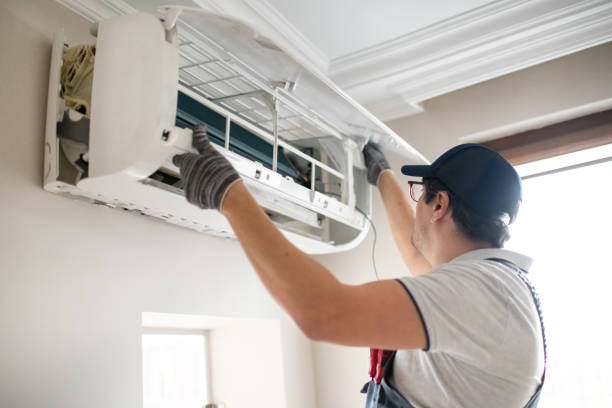
In Texas, you should service your AC at least once a year, and twice a year is ideal. Schedule a spring tune up before the cooling season starts, since Texas systems run far longer and harder than those in cooler states. If you also have a furnace or heat pump, a fall visit covers your heating side. Older or heavily used systems benefit most from two visits.
The reason comes down to runtime. An air conditioner that runs most of the year accumulates wear quickly, and small issues like a weak capacitor or a low refrigerant charge have months to turn into a failure.
A spring service gets ahead of that by cleaning the system and catching problems before the first 100 degree day. For most Austin area homes, one solid annual tune up is the baseline, and a second visit is smart insurance for older equipment.
What Affects How Often Your AC Needs Service?
Once a year is the floor, not a universal rule. A few factors decide whether your system needs that single visit or a more frequent schedule. Knowing where your home lands helps you plan the right level of care.
The Texas Climate and Long Cooling Season
The single biggest factor is how long your system runs. With cooling season stretching most of the year, a Texas AC simply logs more hours than the national average, and more hours mean faster wear on the compressor, motors, and coils.
That extra runtime is exactly why local HVAC pros lean toward twice a year rather than the once a year advice you see in cooler regions.
The Age of Your System
A newer system under ten years old usually stays healthy with one annual tune up. Once your equipment passes the ten year mark, parts wear faster and a second visit pays off by catching failures before they leave you without cooling. The average HVAC system is built to last 15 to 20 years, but without maintenance that often drops to 10 to 12. Regular service is what protects those later years.
Your Manufacturer Warranty
Many manufacturers require proof of annual professional maintenance to keep the warranty valid. Skip it, and a denied claim on a major repair can cost you thousands out of pocket. If your system is still under warranty, an annual tune up is not just smart, it is often a written condition of the coverage you already paid for.
Pets, Dust, and Air Quality
Homes with pets, heavy dust, or nearby construction load up filters and coils much faster. That buildup chokes airflow and forces the system to work harder, which raises the case for more frequent filter changes and an extra seasonal cleaning. If you are changing filters every few weeks instead of every couple of months, your system is telling you it needs closer attention.
What Does a Professional AC Tune Up Actually Include?
A real tune up goes well beyond a quick look. A thorough visit covers the parts that fail most and the ones that quietly waste energy. Knowing what is included helps you judge whether you are getting real value.
A complete AC tune up typically covers cleaning the condenser and evaporator coils, checking the refrigerant charge, testing the capacitor and electrical connections, inspecting the blower and airflow, clearing the condensate drain, calibrating the thermostat, and replacing or checking the air filter.
The technician also looks for early signs of wear, like a weakening capacitor or a small refrigerant leak, that you would never catch on your own until the system quits on a hot afternoon.
Are AC Maintenance Plans Worth It?
For most Texas homeowners, yes, a maintenance plan is worth it. A plan bundles your annual or twice yearly tune ups into one predictable cost and usually adds perks that pay for themselves, like priority scheduling during summer rushes, discounts on repairs, and waived diagnostic fees.
The real value is in catching small problems early and never landing at the back of the line during a July heat wave.
The math works because prevention is cheaper than emergency repair. A plan keeps your system running efficiently, supports your warranty, and extends equipment life, all while spreading the cost out instead of hitting you with a surprise bill. Here is how a plan compares to paying for service one visit at a time.
| Feature | Maintenance Plan | Pay As You Go |
| Seasonal tune ups | Included, scheduled for you | You have to remember to book |
| Priority scheduling in summer | Yes | No, you wait in line |
| Repair discounts | Usually included | Full price |
| Diagnostic or trip fees | Often waived | Charged each visit |
| Catching problems early | Built in | Only when something breaks |
| Warranty compliance | Tracked and documented | On you to keep records |
| Cost predictability | Fixed, spread out | Unpredictable |
A plan makes the most sense if your system is older, if you would rather not track service dates yourself, or if you want the peace of mind of front of the line service when it is 105 degrees outside.
When to Call an HVAC Professional in Austin
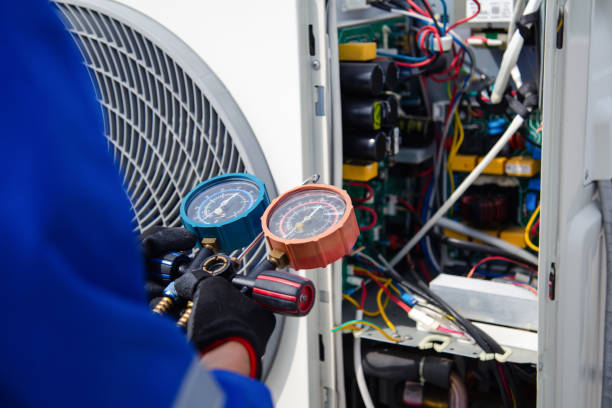
Call a professional if you cannot remember your last tune up, your energy bills are climbing without a clear reason, the system is short cycling, or you hear new rattles and hums. Those are signs your AC has gone too long without attention and is heading toward a breakdown.
This is where ATX Heating & Air Conditioning LLC comes in. Our certified technicians run a full seasonal tune up, clean the coils, test the electrical components and refrigerant charge, and flag worn parts before they fail. We provide professional AC maintenance and repair across Manor and the greater Austin area, and our maintenance plan members get priority scheduling and repair discounts all season.
ATX Heating & Air Conditioning LLC has earned 69 five-star reviews from local homeowners who count on us to keep their systems running through the worst of the Texas heat.
A Real Austin Maintenance Win
A homeowner in the Falcon Pointe community in Pflugerville called ATX Heating & Air Conditioning LLC in early spring, unsure whether a tune up was even worth it since their AC seemed fine. They had not had the system serviced in three years and wanted an honest opinion before summer.
During the visit, our technician found a run capacitor reading well below spec and a refrigerant charge that had slipped low from a minor leak. Neither problem had stopped the system yet, but both were on track to fail during the first real heat wave.
We replaced the capacitor, sealed the leak and recharged the system, cleaned the condenser coil, and enrolled the homeowner in a maintenance plan for ongoing care.
The system ran strong all summer with no surprise breakdowns, and the early fix cost a fraction of an emergency repair on a 105 degree weekend. It is a clear example of why a spring tune up beats waiting for the system to fail.
Building a Service Schedule That Protects Your Texas AC
The honest answer is that one annual tune up is the minimum for a Texas AC, and twice a year is the smart move once your system ages or runs hard through the long cooling season.
Maintenance plans earn their keep by making that schedule automatic and adding priority service and repair savings on top. The homeowners who avoid summer breakdowns are almost always the ones who service the system before they need it, not after it quits.
If you are due for a tune up or want to see whether a maintenance plan fits your home, let ATX Heating & Air Conditioning LLC set you up before the heat arrives. Call us at 737-406-8083 or reach out, and our team will keep your AC running cool, efficient, and reliable all season long.
FAQs
How often should I service my AC in Texas?
Service your AC at least once a year in Texas, ideally with a spring tune up before cooling season. Twice a year is better for older or heavily used systems, since Texas air conditioners run eight to ten months a year and wear out faster than systems in cooler states.
When is the best time to service my AC?
Spring is the best time, before the heavy cooling season begins. A tune up in spring lets a technician catch worn parts and low refrigerant before the first 100 degree day. If you also have heating equipment, add a fall visit to cover that side of your system.
Are HVAC maintenance plans worth the money?
For most Texas homeowners, yes. Maintenance plans bundle your tune ups into a predictable cost and add priority scheduling, repair discounts, and waived fees. The biggest payoff is catching small problems early and avoiding emergency repairs during peak summer demand when service is hardest to get.
Does skipping AC maintenance really shorten its lifespan?
Yes. An HVAC system designed to last 15 to 20 years often drops to just 10 to 12 years without regular maintenance. Dirty coils, low refrigerant, and worn parts force the system to work harder, which accelerates wear and leads to earlier, costlier failures.
What happens during a professional AC tune up?
A technician cleans the coils, checks the refrigerant charge, tests the capacitor and electrical connections, inspects airflow and the blower, clears the condensate drain, calibrates the thermostat, and checks the filter. The goal is to restore efficiency and catch worn parts before they cause a breakdown.

