
If you grew up with a furnace and a separate AC unit, a heat pump can feel like a bit of a mystery at first. It’s not generating heat the way a furnace does. Instead, it’s moving heat from one place to another, which is what makes it efficient and calls attention twice a year rather than once.
ENERGY STAR certified air source heat pumps can deliver up to three times more heat energy than the electrical energy they actually consume. That ratio is the whole reason heat pumps have become so popular, but it also means the system depends on consistent upkeep across both the cooling season and the heating season to keep working that efficiently.
In this guide, we will walk through what your heat pump needs in summer, what it needs in winter, what a seasonal visit typically costs, and the warning signs that mean it is time to call someone.
Key takeaways:
- A heat pump needs two seasonal checkups, not one, because it cools and heats through the exact same equipment.
- Frost on your outdoor unit in winter is often completely normal, since the defrost cycle clears it automatically.
- A heat pump running constantly in very cold weather may just be relying on backup heat, which is normal but worth understanding.
- Clean filters and clear airflow around your outdoor unit matter in both seasons, not just summer.
- A professional tune up before each season catches refrigerant, electrical, and defrost issues you cannot safely check yourself.
Why Heat Pump Maintenance Looks Different From a Furnace or AC Only System
A heat pump reverses its own refrigerant cycle to switch between cooling your home in summer and heating it in winter, which means the same equipment carries the wear from both seasons. Here in Central Texas, your heat pump likely runs for cooling most of the year, with heating demand showing up in shorter, more sudden cold stretches rather than one long steady winter.
That dual role is exactly why this maintenance looks different from caring for a furnace or a standalone AC unit. If you are still deciding whether a heat pump fits your home at all, our heat pump installation page walks through what to consider.
Cooling Season Checklist
These tasks will feel familiar if you have ever maintained a standard AC system, since this is the half of heat pump care that overlaps most closely with it.
Homeowner Tasks Before Summer
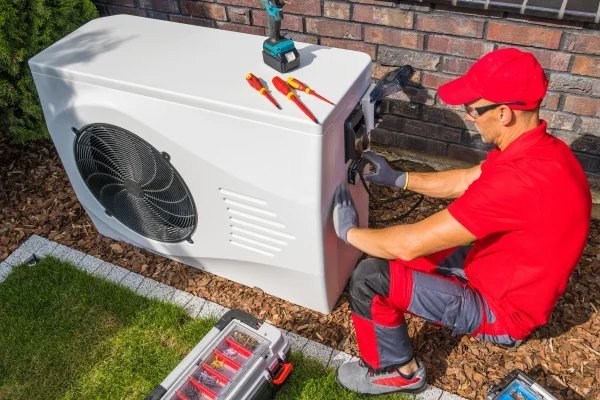
Check your filter every one to three months and replace it when it looks dirty. Keep at least two feet of clear space around your outdoor unit so it can breathe properly. And with the power off, you can rinse debris off the outdoor coil yourself without needing any special tools.
What a Professional Cooling Season Visit Covers
A technician will check refrigerant levels, test electrical connections, clean the coils more thoroughly than a simple rinse, and confirm the system cools properly before peak heat arrives. One important note here. Refrigerant checks and electrical testing are licensed technician work only. These are not tasks to take on yourself, no matter how handy you are.
Heating Season Checklist
This is the half of heat pump maintenance that most guides barely touch, and it is where a little understanding goes a long way.
Understanding the Defrost Cycle
In cold, humid weather, your outdoor coil can accumulate frost, and your heat pump periodically reverses itself briefly to melt that frost off, sometimes producing visible steam from the outdoor unit while it does.
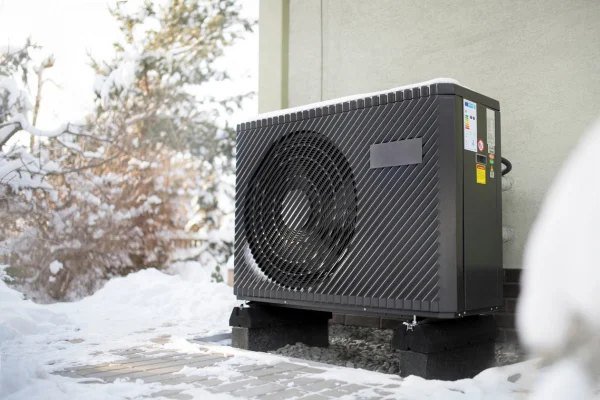
Light frost is normal and expected. What is not normal is a unit that stays heavily iced over, or one that seems to be defrosting constantly without ever really warming your home.
One important caution here. Never chip or pry ice off your outdoor unit yourself. That can damage the coils and fins, and melting the ice is literally the system’s job.
If you notice persistent ice buildup that does not seem to clear on its own, that is your signal to call a professional rather than reach for a tool.
Backup or Auxiliary Heat Basics
Many heat pump systems include backup heat, often electric resistance heat, that kicks in automatically during very cold weather or whenever the heat pump alone cannot keep up with demand. This is completely normal behavior, not a sign something is wrong.
That said, if your backup heat seems to be running constantly for extended stretches, it is worth mentioning to a technician, since it affects both your comfort and your energy costs.
What a Professional Heating Season Visit Covers
Your technician will test the defrost control, check that your backup heat is functioning properly, inspect electrical connections, and confirm the system heats your home correctly before the first hard freeze arrives. If you notice a heating season warning sign in the meantime, our heat pump repair team can take a look.
How Much Does Heat Pump Maintenance Cost?
Cost genuinely varies by provider, region, the specific equipment you have, and whether a technician finds anything that needs repair during the visit. Rather than quoting a figure that may not reflect your actual situation, we recommend getting a current, written estimate directly from us so you know exactly what applies to your system.
Warning Signs Your Heat Pump Needs Attention
A handful of signs apply across both seasons, and they are worth knowing regardless of the time of year. Watch for the following:
- Unusual noises
- A system that runs constantly without ever reaching your set temperature
- A sudden jump in your energy bills
- Ice that does not clear during a defrost cycle
- An outdoor unit that does not run at all
The key is telling normal seasonal behavior, like brief defrost steam or backup heat kicking in during a hard freeze, apart from something that genuinely needs attention. If you are not sure which one you are seeing, heat pump repair is a good place to start.
How Often Should You Service a Heat Pump?
Most HVAC professionals recommend a seasonal check twice a year, once before cooling season and once before heating season, since the same equipment carries both halves of the job. That rhythm gives a technician the chance to catch refrigerant, electrical, and defrost issues specific to each season before they turn into bigger problems.
Schedule Your Seasonal Heat Pump Check
A heat pump’s dual role means it deserves attention twice a year, not once, and catching a defrost or backup heat issue early keeps it reliable through both a Central Texas summer and a sudden winter cold front. ATX Heating & Air Conditioning can help you get ahead of both seasons rather than waiting for a breakdown. Call us at 737 221 4420 to schedule your seasonal check.
Frequently Asked Questions
How often should a heat pump be serviced?
Most HVAC professionals recommend a professional check twice a year, once before cooling season and once before heating season, since the same equipment handles both. This catches refrigerant, electrical, and defrost issues specific to each season.
Is frost on my heat pump’s outdoor unit normal?
Light frost during cold, humid weather is usually normal and clears through the unit’s automatic defrost cycle. Heavy ice buildup that does not clear, or a unit that seems to be defrosting constantly, is worth a professional check.
Why does my heat pump sometimes feel like it’s blowing cooler air in winter?
Heat pump air in heating mode is often cooler than furnace air even when everything is working correctly, since it is warmed air rather than combustion heat. If the air feels cold rather than mildly warm, or your home is not reaching its set temperature, that is worth a technician visit.
What’s the difference between heat pump maintenance and AC maintenance?
Cooling season tasks overlap closely with standard AC maintenance, but a heat pump also needs heating season checks, like testing the defrost cycle and backup heat function, that a standard AC system simply does not have.
Can I maintain my heat pump myself?
You can safely handle filter checks, clearing debris around the outdoor unit, and rinsing the outdoor coil with the power off. Refrigerant checks, electrical testing, and defrost control diagnostics all require a licensed technician.

