

While checking your indoor AC unit or replacing the air filter, you notice water sitting in the drain pan beneath the system. It’s a common sight that leaves many homeowners wondering whether everything is working as it should or if there’s a problem that needs immediate attention.
A small amount of condensation is a normal part of how an air conditioner operates. However, standing water, an overflowing drain pan, or repeated leaks can point to issues such as a clogged condensate drain line, a damaged drain pan, or another problem that should be addressed before it leads to water damage or HVAC failure.
In this article, you’ll learn when water in your AC drain pan is normal, the warning signs of a developing problem, and the steps you should take to protect your HVAC system and your home.
Key Takeaways
- A little water in the primary drain pan while your AC runs is completely normal.
- The secondary or emergency pan beneath the indoor unit should always stay completely dry.
- Standing or overflowing water usually means a clogged condensate drain line needs clearing.
- A frozen evaporator coil or failed condensate pump can also flood the pan.
- Ignoring an overflowing pan risks ceiling stains, mold growth, and expensive water damage.
How Your AC Drain Pan Actually Works
Your air conditioner makes water on purpose, and the drain pan is what catches it. As warm, humid air passes over the cold evaporator coil, moisture condenses on the coil and drips off, exactly like the sweat on a cold glass of tea in July. In a Central Texas summer, that can add up to gallons of water a day.
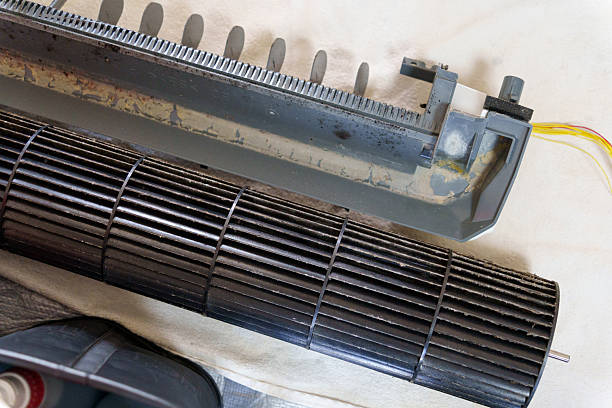
Most systems have two pans. The primary drain pan is built into the unit directly under the coil, and it channels that condensate into a drain line that carries the water safely outside or to a floor drain. This pan is designed to have water moving through it whenever the system runs.
The second pan is the safety net. A secondary or emergency drain pan sits underneath the whole unit to catch overflow if the primary system fails. That pan is supposed to stay dry, and it’s the single best clue about whether you have a problem.
When Water in the AC Drain Pan Is Normal
A small amount of water moving through the primary pan while your AC is running is normal and expected. The system is pulling humidity out of your air, and that water has to go somewhere before it drains away. If you catch it mid-cycle, seeing a little water in the primary pan is just the system doing its job.
Central Texas humidity makes this even more noticeable. During the muggy stretches of an Austin-area summer, your AC removes a lot of moisture, so there’s more condensate flowing through than you’d see in a dry climate. More water production is normal here.
The key word is moving. Water that flows in and drains right back out is healthy. Water that sits, pools, or shows up where it shouldn’t is a different story.
When Water in the Drain Pan Means Trouble
Standing water that isn’t draining is the clearest sign something is wrong. If you see a full primary pan hours after the system has cycled, or water still sitting there when the AC has been off, the water has nowhere to go. That points to a blockage downstream.
The bigger red flag is water in the secondary or emergency pan. Because that pan should always be dry, any water in it means the primary drainage has already failed and the backup is doing its job. Other warning signs include water dripping or leaking around the base of the indoor unit, water stains on the ceiling or wall below an attic unit, a musty smell near the vents, or a system that shuts off on its own from a tripped float switch.
Catch any of these and it’s time to act, because the next step is usually an overflow.
What Causes an AC Drain Pan to Overflow
An overflowing drain pan almost always traces back to a handful of causes, and a clogged drain line tops the list. It usually means a clogged drain line, a frozen coil from a dirty filter, or a failed condensate pump.
The most common culprit is the drain line itself. Over time it clogs with algae, mold, and grime, and once that line is blocked, the water backs up into the pan instead of draining away. A frozen evaporator coil is another cause: a dirty filter or low refrigerant can ice the coil, and when that ice melts, it dumps more water than the pan can handle. Homes with a condensate pump can also flood if the pump fails.
Sometimes the pan itself is the problem. An old drain pan can crack or rust through, letting water escape even when the drain line is clear. Repairs like clearing a clogged condensate drain, thawing a frozen coil, or replacing a damaged drain pan are routine for a technician, but they need the right diagnosis to fix the actual cause instead of the symptom.
Why AC Drain Clogs Are So Common in Central Texas
The climate here practically manufactures drain clogs. Long, humid summers mean your AC runs for hours a day and pulls enormous amounts of moisture from the air, so the drain line stays wet and warm for months at a stretch.
That warm, damp environment is exactly what algae and mold love. A drain line that might stay clear for a year in a dry climate can clog in a single Texas cooling season. Add in the constant runtime across Manor, Austin, Hutto, Round Rock, and Pflugerville, and condensate problems become one of the most common summer AC calls in the area.
Prevention is the fix that actually lasts. Routine AC maintenance in Manor, TX includes clearing and treating the condensate drain, checking the float switch, and replacing dirty filters before they freeze the coil, which stops most drain pan overflows before they start.
What to Do If Your AC Drain Pan Is Full of Water
Turn the system off first. If the pan is full or overflowing, shut the AC down at the thermostat to stop it from producing more water and to prevent it from flooding your floor or ceiling. This one step buys you time and limits the damage.
From there, check the easy things. Swap a dirty air filter, since a clogged filter is a frequent cause of a frozen coil, and give the system time to thaw before restarting. If you’re comfortable and can safely reach the drain line, some homeowners clear a minor clog with a wet/dry vacuum at the outdoor end of the line. If a float switch has tripped and shut the system off, that’s a signal the drain is backed up, not something to bypass.
If the pan refills, the secondary pan is wet, or you see any water damage, stop there and call a professional. Chasing a recurring leak yourself often lets water keep working on your ceiling and framing while the real cause goes unaddressed.
Protecting Your Home From AC Water Damage in Manor
The simple rule to remember: a little water moving through the primary pan is normal, but standing water, a wet emergency pan, or any overflow means your drainage has failed and needs attention. Water damage from an AC is one of the most preventable HVAC problems there is, and catching it early is the difference between a quick drain cleaning and a stained ceiling or a mold problem.

ATX Heating & Air Conditioning LLC is a family-owned, licensed and insured HVAC company serving Manor, Austin, and surrounding Central Texas communities, with more than 13 years of experience diagnosing condensate drain issues, clogged drain lines, frozen coils, and water leaks. The team offers same-day and emergency service with honest diagnostics and no unnecessary upselling. If you notice standing water, an overflowing drain pan, recurring leaks, or signs of moisture damage around your indoor unit, contact ATX Heating & Air Conditioning or call (737) 406-8083 to protect your home before the damage spreads.
FAQ
Should there be water in my AC drain pan?
A small amount of water in the primary drain pan while the AC is running is normal, because the system constantly pulls moisture from the air. The water should drain out steadily. Standing water that doesn’t drain, or any water in the secondary emergency pan beneath the unit, signals a problem worth having checked.
Why is my AC drain pan full of water and not draining?
The most common reason is a clogged condensate drain line blocked by algae, mold, or grime, which backs water up into the pan. A frozen evaporator coil from a dirty filter or a failed condensate pump can also flood it. Turn the system off to prevent overflow and have a technician clear the actual cause.
Is water in my AC drain pan an emergency?
It depends on where the water is and whether it’s draining. A little water flowing through the primary pan is routine. Water in the emergency pan, an overflow, or leaks reaching your ceiling or floor need prompt attention, since AC water damage can lead to stains, mold, and costly repairs if it’s left alone.
Can a clogged AC drain shut off my whole system?
Yes. Many systems have a float safety switch that cuts power when the drain backs up and water rises in the pan, which prevents an overflow but leaves your AC dead until the clog is cleared. A system that keeps shutting off this way is telling you the condensate drain needs professional service.
Do you offer AC drain and water leak service near me in Manor and Austin?
Yes, ATX Heating & Air Conditioning LLC serves Manor, Austin, Hutto, Round Rock, Pflugerville, and surrounding Central Texas communities with condensate drain cleaning, leak diagnosis, and AC repair. Technicians find the source of the water and fix it, with same-day and emergency service available. Call (737) 406-8083 to schedule.

